
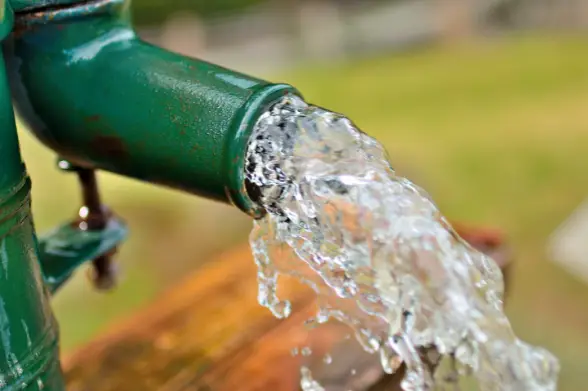
Private wells give homeowners greater control over their water source, but this independence also comes with increased responsibility. Unlike most public water systems, private wells typically aren’t tested and monitored by a water utility on a routine basis, which means certified private well water testing in Queens helps homeowners understand their water quality, maintain their well system, and determine when specialized testing becomes necessary. As the well owner, you’re ultimately responsible for ensuring your water remains safe and clean for your family’s use.
PFAS testing is one of those specialized concerns. PFAS, often called forever chemicals, can move through soil and groundwater and may affect private wells near certain contamination sources. Because PFAS usually do not change the taste, smell, or appearance of water, a private well can look clear while still needing laboratory testing.
For homeowners using well water, PFAS testing is not about panic. It is about understanding whether these chemicals are present and whether treatment, filtration, or follow-up testing should be considered.
Private Wells Are the Homeowner’s Responsibility
A private well is different from a public water connection. Public water systems are monitored under federal and state drinking water rules. Private wells are usually maintained by the property owner.
The U.S. Environmental Protection Agency explains that private well owners are responsible for delivering safe drinking water to their households. EPA also recommends annual private well testing for total coliform bacteria, nitrates, total dissolved solids, and pH, with additional testing when other contaminants are suspected.
PFAS falls into that “additional testing” category. A standard annual well test may not include PFAS unless it is specifically requested.
For homeowners who want targeted PFAS support, Olympian Water Testing PFAS can help explain testing options.
Why PFAS Can Affect Private Wells
PFAS can enter groundwater from several sources. Possible sources include industrial sites, landfills, wastewater areas, military facilities, airports, firefighting training sites, and places where PFAS-containing materials were used, stored, or disposed of.
Some firefighting foams historically contained PFAS and were used at locations where fuel fires were a concern. Industrial facilities may have used PFAS in manufacturing or processing. Landfills may contain discarded PFAS-treated materials. Wastewater systems may receive PFAS from homes, businesses, and industries.
Once PFAS reach groundwater, they may move with the underground water flow. A private well does not need to be located directly on a contaminated site to be affected. Local geology, distance, groundwater direction, and well depth all matter.
Testing is the practical way to find out whether PFAS are present in a specific well.
Clear Well Water Can Still Need PFAS Testing
PFAS are not like iron stains or sulfur odors. They usually do not create visible signs. Well water can look clear, smell normal, and taste normal even if PFAS are present.
This is why homeowners should not rely on appearance. A clear glass of water does not prove that PFAS are absent.
If a private well is near a possible PFAS source, if local authorities have issued PFAS notices, or if neighbors have detected PFAS, testing becomes more important.
For more information about how testing works, visit the testing methods page.
A General Well Test May Not Include PFAS
Many well owners already test for bacteria, nitrates, pH, or basic minerals. These are important tests, but they do not automatically include PFAS.
PFAS testing requires targeted laboratory analysis. EPA notes that Methods 533 and 537.1 can be used by government and private laboratories to measure 29 PFAS in drinking water. These methods are very different from basic test strips or general water screening.
If your goal is to know whether your well contains PFAS, make sure the test panel specifically includes PFAS compounds. Otherwise, you may receive a water report that is useful but still does not answer the PFAS question.
For PFAS-specific testing support, visit the water testing page.
When Private Well Owners Should Consider PFAS Testing
Private well owners may want to consider PFAS testing when there is a known or suspected contamination source nearby. This may include proximity to airports, military bases, firefighting training areas, industrial sites, landfills, wastewater treatment areas, or hazardous waste sites.
Testing may also make sense if local authorities announce PFAS detections in the area, if neighbors with wells have detected PFAS, if the property is being bought or sold, or if a household has infants, pregnant people, young children, or medically sensitive residents.
PFAS testing can also be useful before choosing a water treatment system. Without a test, it is difficult to know whether a PFAS filter is needed or whether it is working.
Testing turns uncertainty into information.
Ask Local Agencies About Known PFAS Concerns
Before testing, private well owners may want to check whether local or state agencies have information about PFAS in the area. Environmental agencies, health departments, and water quality programs may know about nearby contamination sites or testing recommendations.
The CDC’s Agency for Toxic Substances and Disease Registry advises people to test private well water and consult local health or environmental agencies for guidance on testing, interpreting results, and whether retesting is warranted.
This is useful because PFAS risk is often location-specific. A homeowner may not know that a nearby site has a history of PFAS use or investigation.
Testing is strongest when it is guided by both property conditions and local information.
Sample Collection Must Be Careful
PFAS sampling needs careful handling because PFAS can be found in many materials. Some products, packaging, clothing, cosmetics, or water-resistant items may interfere with sampling if instructions are not followed.
Laboratories or testing providers usually provide specific containers and sampling instructions. Do not collect PFAS samples in a random bottle from home. Do not assume that a container used for other water testing is appropriate for PFAS.
Proper sample collection helps avoid contamination and makes results more reliable.
This is one reason professional PFAS testing can be valuable, especially when results may guide treatment decisions.
Test the Right Water Point
For private wells, homeowners should think about which water point to test. Testing raw well water can show what is coming from the well before treatment. Testing finished tap water can show what the household is actually drinking after filters, softeners, or other systems.
In some cases, both may be useful. Raw water helps understand the source. Tap water helps understand exposure. Filtered water helps confirm whether treatment is working.
If your home already has a filtration system, ask whether testing should include pre-filter and post-filter samples.
A clear sampling plan makes results easier to interpret.
PFAS Results May List Several Compounds
PFAS reports can be confusing because they often list multiple compounds. Some may be detected. Others may show “not detected” or appear below the reporting limit.
Common PFAS names may include PFOA, PFOS, PFHxS, PFNA, PFBS, and HFPO-DA, also known as GenX chemicals. These are not the only PFAS, but they are often discussed because they have been studied and regulated more closely.
Homeowners should review which compounds were included in the test and what levels were found. If the report is hard to understand, ask the testing provider or a qualified professional to explain it.
The goal is not just receiving a lab report. The goal is understanding what the results mean.
What If PFAS Are Not Detected?
If PFAS are not detected, that may provide reassurance. However, homeowners should still look at the reporting limits and the test method. “Not detected” usually means the lab did not find PFAS above the method’s reporting or detection limit.
A non-detect result is useful, especially if the method is appropriate. Keep the report for future reference.
If new local PFAS information becomes available later, or if a nearby contamination source is discovered, retesting may make sense.
Water testing is a snapshot in time. Conditions can change, and records help you compare results later.
What If PFAS Are Detected?
If PFAS are detected in a private well, the next step depends on the compounds found, the levels, current guidance, and household water use. Homeowners may need to consider certified treatment, alternative water sources, follow-up testing, or consultation with local environmental or health agencies.
EPA’s private well PFAS guidance notes that when PFAS levels in private drinking water wells are high enough during certain site investigations, EPA may provide temporary alternative drinking water while the source is evaluated.
For individual homeowners, the key is not to panic. Review the results carefully, compare them with current guidance, and create a practical response plan.
Filters May Help When Chosen Correctly
Some treatment technologies may reduce certain PFAS. These can include activated carbon, reverse osmosis, and ion exchange systems. However, not every filter removes PFAS, and performance can vary.
A filter should be certified for PFAS reduction by an accredited third-party organization when possible. It should be installed correctly, maintained properly, and replaced on schedule.
Testing before treatment creates a baseline. Testing after treatment helps confirm whether the filter is reducing PFAS in your water.
For more on risk and exposure reduction, visit the health risks page.
Whole-House vs. Point-of-Use Treatment
Private well owners may wonder whether they need a whole-house system or a point-of-use system. A point-of-use system treats water at one location, usually the kitchen sink. A whole-house system treats water as it enters the home.
For PFAS, point-of-use treatment may be enough if the main goal is drinking and cooking water. Whole-house treatment may be considered if PFAS are present at higher levels or if household needs require broader treatment.
The right choice depends on test results, budget, water use, and professional guidance. Do not assume the largest system is automatically the best.
Testing helps guide the decision.
Retesting After Treatment Is Important
If you install a PFAS treatment system, retesting is important. It helps confirm that the system is working and reducing the compounds detected in the original sample.
Retesting may also be needed over time because filters become exhausted. Activated carbon needs replacement. Reverse osmosis systems need maintenance. Ion exchange media may need servicing.
A treatment system is not a one-time fix that can be ignored. It needs a maintenance schedule and occasional verification.
Keep test results and filter replacement records together.
Private Well Testing During Property Sales
PFAS testing can be useful during property buying or selling, especially in areas with known or suspected PFAS concerns. Buyers may want to know whether the well has been tested. Sellers may want documentation to answer questions.
A PFAS test can be part of a broader well water evaluation. It may not be required in every transaction, but it can provide useful information when local risk factors exist.
Because PFAS can affect buyer confidence, testing before a sale may help avoid surprises later.
For service area information, visit the locations page.
Businesses and Facilities with Private Wells
Some businesses, schools, farms, childcare centers, offices, or facilities use private wells. These properties may need PFAS testing if water is used for drinking, food preparation, customer service, or operations.
Testing may be especially important if the property is near a possible PFAS source or if customers, employees, or sensitive populations use the water.
Businesses should keep records of sample locations, dates, test methods, results, treatment systems, and maintenance.
For commercial or facility testing questions, visit the contact page.
Do Not Rely on Bottled Water Forever
If PFAS are detected, some homeowners may switch to bottled water temporarily. This may be useful while waiting for treatment installation or follow-up guidance, but it may not be the best long-term plan.
Bottled water can be expensive, inconvenient, and create plastic waste. It may also vary by source and brand.
A properly selected, certified, and maintained treatment system may be more practical for many households. However, the decision should be based on test results and guidance from qualified professionals.
Keep a Well Water Record
Private well owners should keep a water testing record. Save each report with the date, sample location, whether the water was raw or treated, the lab method, and any treatment system details.
This record helps track changes over time. It can also help when selling a property, updating filtration, working with local agencies, or deciding when to retest.
Water quality records are part of responsible private well ownership.
For more educational resources, visit the Olympian Water Testing PFAS blog.
Final Thoughts
PFAS testing for private wells is important because well owners are usually responsible for their own water quality. PFAS can move through soil and groundwater, and wells near certain contamination sources may need targeted testing.
A standard well test may not include PFAS. Homeowners need PFAS-specific laboratory testing, careful sample collection, and clear result interpretation. Testing can help identify whether PFAS are present, whether filtration is needed, and whether treatment is working.
Private well owners should test when local risk factors exist, when neighbors or agencies report PFAS concerns, before choosing treatment, after installing filters, or during property decisions.
To learn more about PFAS testing for wells, visit Olympian Water Testing PFAS or contact the team through the contact page to ask about testing options for your home, well, business, or property.