PFAS contamination involves substances designed to resist heat, stains, and water. The US EPA notes that these compounds can move through air, soil, and biosolids near industrial sites.
Chemicals in drinking water often arise when man-made particles travel via wastewater or runoff. Insights from Canadian health experts point out that these chemicals can be very persistent.
PFAS exposure grows when people ingest or inhale tiny amounts in everyday routines. Industries rely on these compounds for many products, which can leave water sources at risk.
Key Takeaways
- PFAS contamination often begins at industrial facilities.
- Persistent substances can enter public water supplies.
- The US EPA highlights risks linked to these chemicals in drinking water.
- Targeted testing supports early detection.
- PFAS exposure affects communities across diverse regions.
- Proactive steps can lower contamination and protect health.
Why Safe Drinking Water Matters
Every person relies on a steady supply of clean water. Access to safe drinking water impacts daily life and community health. Water safety is critical for public health, as harmful chemicals can weaken our bodies. Contaminants like PFAS pose a significant risk when they enter reservoirs families depend on.
The US Environmental Protection Agency has found PFAS in many water systems nationwide. This shows the importance of clean water for households and the dangers of unchecked pollutants. Protective measures do more than just safeguard physical health. They also protect our environment and help communities thrive. By focusing on regulations and research, we build a stronger defense against contaminants. This reminds us that careful attention is essential for a healthy future.
Understanding PFAS: Unraveling the Basics
PFAS basics are often misunderstood due to their unique properties. These substances are known for their strong carbon-fluorine bonds. This makes them resistant to heat, oil, and water. The U.S. Environmental Protection Agency has identified over 14,000 related compounds, including perfluorooctanoic acid and perfluorooctane sulfonic acid. Their ability to withstand harsh conditions is a key factor in their widespread use.
Scientists have found these chemicals to be essential in modern manufacturing. Their durability is a major reason for their use in various products. This includes applications where protective coatings are necessary. Ongoing research aims to understand their behavior in different environments, raising concerns about their long-term effects.
The Chemical Composition
Each molecule consists of a chain of carbon atoms linked to fluorine. This creates a strong barrier that hinders breakdown. As a result, these substances persist in water and living organisms. Studies have shown that they contribute to significant environmental accumulation.
Early Discovery and Use
The discovery of PFAS led to their application in firefighting foam and water-repellent gear. Industries sought to enhance product performance in extreme conditions. This widespread adoption has prompted a search for safer alternatives.
Common Sources of Chemical Seepage
Large-scale chemical usage can create hidden routes for contaminants to slip into water systems. PFAS sources have drawn attention for their durability under varying conditions. In many communities, these substances seep from manufacturing sites and disposal facilities, which poses a risk to local aquifers.
Industrial Discharges
Facilities involved in metal plating, electronics, and chemical production handle industrial waste that can flow into nearby streams. This discharge often mixes with stormwater, spreading further into the watershed. Many public health experts identify these zones as high-risk areas for chemical buildup.
Landfills and Waste Sites
Discarded materials can fragment in landfills and waste sites. Their breakdown creates landfill leachate, which moves through different soil layers. This flow may transport PFAS remnants to private wells, leading to concerns about daily exposure. Regular audits of waste practices help curb such hazards.
Domestic Products
Some household chemicals in cleaning products and stain-resistant surfaces release PFAS during normal use. Once they enter drains or trash bins, remnants can merge with municipal wastewater and cycle back into the environment. Researchers urge consumers to check product labels to reduce unwitting contributions.
| Key Source | Primary Route | Impact |
| Industrial Sites | Outflows and byproducts | Contaminated rivers |
| Landfills | Leachate infiltration | Polluted groundwater |
| Domestic Items | Everyday product usage | Persistent chemical residue |
Industrial Practices That Worsen Contamination
Many factories rely on industrial manufacturing methods that increase chemical risks. Chrome plating, surfactant production, and large-scale firefighting foam use have been historically significant contributors to rising PFAS levels. In the past, oversight for these operations was lacking, leading to long-term contamination at contaminated sites with unsafe PFAS levels.
Companies like DuPont and 3M produce chemicals that can accumulate over time if not disposed of properly. These byproducts can migrate into groundwater or remain in soil, posing environmental challenges for local communities. While some facilities use best practices to capture PFAS before it enters waterways, many regions continue to report unsafe readings.
Production sectors face increasing pressure to improve their processes. Advocates push for stricter guidelines and robust cleanup methods. Detailed monitoring and safer substitutes for high-risk chemicals are recommended. These measures aim to lessen exposure for populations near industrial centers and protect water quality.
The Role of Government Regulations
The effort to safeguard drinking water from harmful substances is a multi-faceted endeavor. National and local authorities are working together to ensure cleaner water sources for communities. This is achieved through the implementation of new PFAS regulations and enhanced oversight.
Federal Initiatives
The US EPA has set enforceable Maximum Contaminant Levels for six PFAS. This move aims to increase transparency for water utilities. The US EPA guidelines also promote the use of modern testing methods. This gives consumers a clearer understanding of the risks associated with PFAS.
Public reporting requirements are in place to ensure utilities disclose any PFAS presence. They are also required to take steps to reduce contamination levels.
State-Level Actions
States are taking proactive steps to address localized threats. A growing number of state PFAS rules focus on remediation projects. These projects target areas with high exposure rates.
Local authorities are often setting stricter limits than federal guidelines. They are pushing industrial sites to adopt safer practices.
| Authority | Principal Focus | Key Example |
| US EPA | National PFAS Standards | Enforceable MCLs |
| State Agencies | Region-Specific Safeguards | Strong Local Mandates |
Exposure Pathways in Everyday Life
Our daily routines often unknowingly expose us to PFAS. These chemicals are widespread in consumer products, contaminating our environments both indoors and outdoors.
PFAS are commonly found in packaging materials for ready-to-eat items. Companies like 3M have created protective layers to prevent grease and water damage. These coatings can, unfortunately, leach into our food. Studies by the US Environmental Protection Agency (EPA) reveal that packaged goods are a significant source of PFAS exposure.
- Fast-food wrappers sometimes contain low levels of PFAS.
- Microwave popcorn bags may carry residues.
- Bakery containers use water-resistant barriers.
Household Dust
Our homes are also daily contaminated by PFAS-laden dust. This dust settles on floors and furniture, often due to stain-repellent finishes on carpets, drapes, and sofas. Inhaling or touching these particles contributes to our PFAS exposure over time.
| Common Items | Possible PFAS Exposure | Practical Tips |
| Food Wrappers | Oily or greasy packaging | Use uncoated paper or bring reusable containers |
| Upholstered Furniture | Stain-resistant finishes | Vacuum regularly with a HEPA filter |
Health Concerns Linked to PFAS
PFAS health risks extend beyond simple chemical exposure. The US Environmental Protection Agency suggests these substances could impact fetal development, increase cancer risk, and disrupt bodily functions. Researchers urge caution due to the uncertain nature of these effects and the growing body of evidence.
Potential Long-Term Effects
Long-term exposure to PFAS may lead to various health issues. Some studies indicate changes in cholesterol levels and thyroid imbalances. Others point to immune system effects that could weaken the body’s defenses against infections. By staying informed, communities can take proactive steps to protect themselves as scientific understanding grows.
Vulnerable Populations
Pregnant individuals, infants, and families near industrial sites are among the most vulnerable to PFAS. These groups often face higher exposure levels in their water and household products. To reduce risk, it’s essential to test residential water supplies and adopt pollution-reducing practices.
Detecting PFAS in Residential Supplies
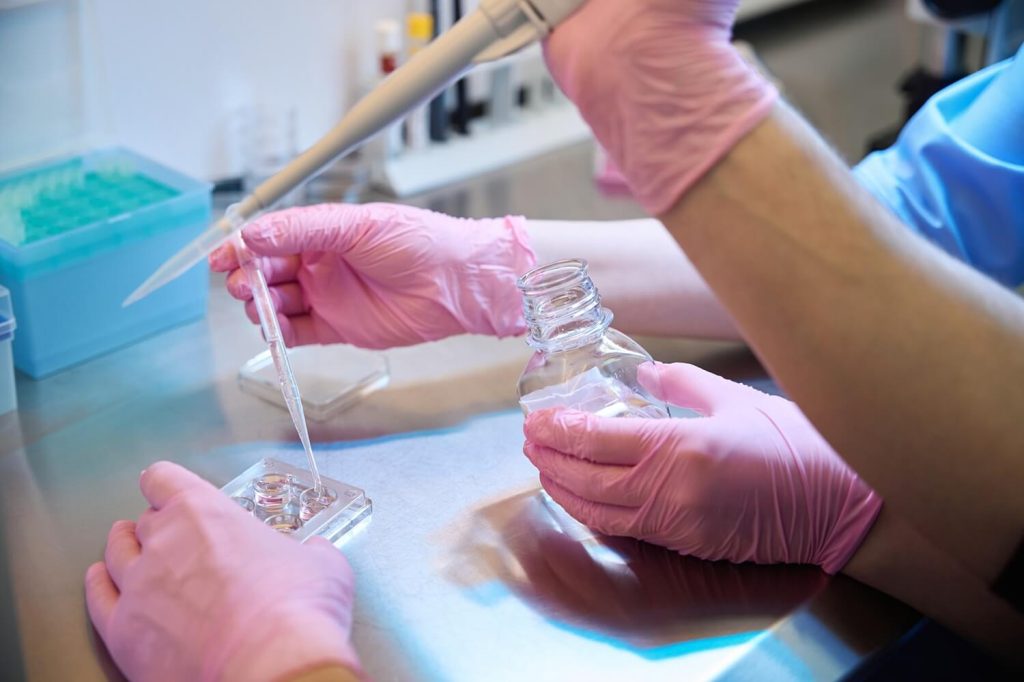
The presence of per- and polyfluoroalkyl substances often goes unnoticed without thorough testing. PFAS water testing has become essential for households aiming for safer drinking water. This is because common indicators often fail to detect these chemicals.
State and federal guidelines recommend using EPA Method 533 or 537.1 for detection. These methods are known for their ability to identify even the smallest traces of PFAS.
“Early identification can protect families from hidden threats,” stated a representative from the Environmental Protection Agency.
Implementing these protocols in home water supplies is beneficial. They help determine if immediate action is required based on test results.
Accurate sampling, clear lab instructions, and knowledge of approved methods are critical for contamination detection. Homeowners can seek specialized screenings from local water utilities or independent labs. This process helps identify possible contamination and boosts public confidence in tap water safety nationwide. Many communities advocate for regular testing, ensuring ongoing safety and well-being.
Water Filtration Methods to Reduce Risk
Removing harmful chemicals from tap water is essential for health. Many families turn to home solutions to minimize contamination risks. Using PFAS water filtration can significantly reduce exposure to these chemicals. Point-of-use devices effectively target these contaminants before they reach our drinking water.
Some families opt for home filtration systems that fit their budget and space. Options include reverse osmosis units and activated carbon filters. Before making a choice, it’s wise to consider professional testing or the guidelines from the US Environmental Protection Agency.
Reverse Osmosis Systems
Reverse osmosis systems force water through a semi-permeable membrane, effectively removing PFAS and other impurities. Regular maintenance, such as filter changes and system checks, is necessary to extend its lifespan. While costs vary, many consider it a worthwhile investment.
Activated Carbon Filters
Activated carbon filters use granular or block carbon to attract and trap toxic compounds. Regular replacements are key to maintaining high performance and consistent contaminant capture. These filters come in various styles, including countertop and under-sink models, catering to different household needs.
| Filtration Method | Cost Range | Maintenance | PFAS Reduction |
| Reverse Osmosis | Moderate to High | Filter changes every 6–12 months | Up to 90% |
| Activated Carbon | Low to Moderate | Frequent filter replacements | 60%–80% |
Environmental Monitoring and Research
Federal agencies like the US EPA team up with universities to monitor changes in contamination levels. Their ongoing research raises critical questions about water safety. It also shows the need for new strategies to safeguard public health.
New Technologies for Detection
Scientists use cutting-edge detection tech to spot chemicals at very low levels. Sensor arrays improve the accuracy of collection, helping experts develop targeted cleanup plans. These plans aim to reduce risks to local communities.
Academic Collaborations
Universities partner with government bodies to push environmental studies forward. Their shared research deepens our understanding of contamination hotspots. This knowledge enables more effective monitoring efforts across different areas.
Longitudinal Studies
Studies that span years reveal how PFAS levels change in ecosystems. These ongoing measurements help us understand the impact on wildlife and humans. They pave the way for long-term solutions and enhanced safety measures.
Influence of PFAS on Wildlife and Ecology
PFAS have spread far beyond industrial areas. They now contaminate various habitats worldwide, from local streams to remote Arctic waters. This contamination affects species that depend on these environments for survival, leading to PFAS wildlife impact.
Studies have shown increasing levels of PFAS in fish and marine mammals. A recent study found this trend. It highlights the danger of ecological disruption, where unexpected stressors can alter population dynamics in food chains.
Exposure to aquatic contamination can harm the development of affected populations. Observations reveal complex impacts on local ecosystems, prompting ongoing research. Key concerns include:
- Reproductive challenges in shellfish and amphibians
- Unexpected declines in predator health
- Potential shifts in food web balance
| Species | Exposure Pathway | Potential Outcome |
| Fish | Contaminated Waters | Reduced Fertility |
| Sea Birds | Ingesting Polluted Prey | Weakened Immune Response |
| Mammals | Bioaccumulation in Tissues | Impaired Organ Function |
Community Action and Awareness Campaigns
Residents in towns and cities are coming together to address water quality concerns. They aim to spread vital information and raise PFAS awareness. By working with health experts and policy specialists, they aim to create safer living environments. Their efforts emphasize the importance of clean water in local communities.
Activists are teaming up with organizations like the Environmental Working Group. They host neighborhood meetings to engage residents. These gatherings encourage people to:
- Conduct home testing
- Raise local funds for independent water analysis
- Advocate for stronger limits on pollutants
Every rally or petition shows the strength of collective action in protecting public health. It opens doors for more people to get involved.
Local Grassroots Efforts
Citizens are forming local committees to tackle these issues. They meet in public libraries or community centers. These meetings serve as a platform for sharing data, discussing policy gaps, and proposing new measures.
In-person discussions foster trust among diverse groups. They bring the urgent need for safe drinking water to the forefront.
Digital Platforms and Advocacy
PFAS awareness is growing on social media platforms like Twitter, Facebook, and Instagram. Supporters share updates on research and success stories. Online forums connect families with scientists, providing advice on safe water solutions.
This virtual network helps residents unite beyond their neighborhoods. It allows them to learn from different community experiences.
Grassroots campaigns use hashtags and video testimonies to raise awareness. They send messages to elected officials, pushing for quicker regulatory actions. Every shared petition sparks more conversations and pressures lawmakers to act.
Political and Legal Perspectives
State and federal authorities are tightening PFAS legislation due to widespread contamination. Lawsuits aim to hold companies accountable for their past actions. Cases against 3M and DuPont have resulted in settlements, providing funding for affected communities. Elected officials are exploring new ways to protect public health.
Courthouse battles reveal the complexity of legal battles over contamination. Judges must balance public interest with industrial concerns about costs and scientific debates. Communities eagerly follow these developments, hoping for stricter limits. Recent proposals aim to restrict PFAS levels in public water systems.
At a recent hearing, an Environmental Protection Agency representative stated: “We are committed to reducing these chemicals in our drinking water. Public trust must be restored through well-crafted regulations.”
Shifting priorities are driving policy reform towards more lasting solutions. Officials support bills that lower PFAS levels and demand transparency from industries. The evolving laws aim to safeguard human health and the environment.
Addressing Knowledge Gaps
PFAS research is evolving, driven by government, academia, and private sectors. They invest in studies to uncover health impacts and possible remedies. This effort aims to bridge knowledge gaps and shape future policies.
Funding for Independent Studies
Grants support independent research, backed by the Environmental Protection Agency and the National Institutes of Health. These funds enable the exploration of complex interactions. Researchers share findings across various locations, advancing our understanding.
The Role of Public Education
Science-based education is key to public awareness. Initiatives like town halls, digital campaigns, and classroom programs educate communities. They empower people to demand safer water, fostering informed decisions.
Diverse funding sources drive this research forward. The table below highlights some of these:
| Funding Source | Key Focus |
| EPA | Analytical Methods |
| NIH | Health Outcomes |
Effective Strategies for Long-Term Safety
Improving treatment infrastructure is essential for long-term PFAS solutions. Advanced filtration systems in facilities can effectively remove contaminants before they reach our homes. Regular water testing is also critical, ensuring sustainable water safety.
The EPA advocates for reducing chemical use to limit toxin exposure. Gradually phasing out PFAS in consumer products can significantly reduce contamination risks. This approach not only protects us but also preserves natural resources for future generations.
Community well-being depends on collective efforts towards prevention. Public education programs, combined with corporate responsibility, increase awareness about safer alternatives. Through collaboration between research, industry, and policy makers, we can develop and implement effective long-term solutions.
Moving Toward a More Secure Water Future
In the coming years, the US Environmental Protection Agency (EPA) and other agencies plan to refine guidelines that improve future water security. These steps aim for 2029 compliance with updated PFAS limits and safer water across the nation.
Communities contribute to this public health roadmap by demanding thorough oversight, upgrading filtration methods, and tracing pollution sources. Researchers investigate PFAS-free solutions that uphold industry standards while protecting families. Better synergy between science, policy, and local advocacy amplifies this progress.
Staying informed and supporting targeted funding helps secure sustainable water practices for future generations. Ongoing testing, combined with transparent communication, fosters peace of mind in every neighborhood.
Through united action, residents, leaders, and businesses can promote a cleaner path and reduce exposure risks. Momentum keeps building, paving the way for stronger protections and renewed hope in every glass of water.
FAQ
What are PFAS, sometimes referred to as “forever chemicals,” and why are they so persistent?
PFAS, or perfluoroalkyl and polyfluoroalkyl substances, are known for their strong carbon-fluorine bonds. These bonds make PFAS exceptionally durable and resistant to natural breakdown processes. This leads to widespread and long-lasting contamination in water sources and the environment.
How do these chemicals end up in drinking water supplies?
PFAS commonly enter water systems through industrial effluent, landfill runoff, and everyday products. Over time, these substances seep into groundwater. They eventually impact municipal drinking water sources, making it challenging to keep them out of household taps.
Why is safe drinking water central to public health?
Safe drinking water is fundamental for human health and community well-being. When water quality is compromised by contaminants like PFAS, there is an increased risk of adverse health outcomes. This prompts federal agencies like the US Environmental Protection Agency (EPA) to implement stricter standards and testing requirements.
What industrial activities exacerbate PFAS contamination?
Large-scale use of firefighting foams, chrome plating, and surfactant production are significant contributors. Historically, manufacturers such as 3M and DuPont have used PFAS for their water-repellent or heat-resistant properties. Effluent from these processes can contaminate surrounding ecosystems if not adequately regulated.
How do government regulations address PFAS in drinking water?
At the federal level, the EPA is responsible for setting standards under the National Primary Drinking Water Regulation (NPDWR). Many states also enforce specific PFAS limits or require community-level notifications. This tailoring of regulations addresses local contamination hotspots.
What are some common exposure pathways to PFAS beyond water?
Beyond drinking water, PFAS can migrate from packaging materials into food, appear in stain-resistant textiles, and accumulate in household dust. These varied exposure routes can significantly increase overall PFAS intake. This highlights the importance of monitoring.
What are the health concerns associated with PFAS exposure?
Exposure to PFAS may increase cholesterol, disrupt the immune system, cause thyroid issues, and possibly be linked to certain cancers. These “forever chemicals” may accumulate over time. This makes vulnerable populations—like pregnant individuals and infants—more at risk.
How can families test their tap water for PFAS?
Accredited laboratories perform EPA-approved analytical methods to detect PFAS at specific detection limits. Homeowners can order certified testing kits or coordinate with local utilities that regularly monitor for these contaminants. This ensures reliable insight into water quality.
Which filtration methods can reduce PFAS in household water?
Reverse osmosis (RO) systems and activated carbon filters are two prominent solutions. RO membranes physically block PFAS, while carbon filters rely on adsorption. Both methods offer effective ways to lower exposure. Users must follow maintenance guidelines to ensure longevity and performance.
How does PFAS contamination affect wildlife and broader ecosystems?
PFAS can bioaccumulate in animals, from fish to top predators. This process harms wildlife reproduction and survival. It also bears implications for human health when those contaminated species are part of the food chain.
Are there ongoing research efforts to track and manage PFAS?
Yes. Researchers and federal agencies are pursuing new detection technologies, including sensitive field sensors and advanced instrumentation for wastewater testing. They also partner with universities for long-term studies. These assess the impact of PFAS on human health and environment over extended periods.
What can residents do to advocate for change regarding PFAS contamination?
Community members often organize testing events, attend town halls, and engage on digital platforms to raise awareness. Grassroots campaigns have influenced stricter regulations. They have also spurred government bodies to allocate funding for research, treatment innovations, and public education initiatives.
How are legal actions shaping PFAS regulations?
Over the years, lawsuits against companies responsible for PFAS pollution have brought about major settlements and enhanced accountability. These legal precedents encourage stricter manufacturing guidelines. They foster greater collaboration between politicians, environmental groups, and the industry to reduce future contamination.
Why is long-term research on PFAS important?
With thousands of PFAS variants in use, many remain understudied. Governments and private organizations continue to fund independent studies. These assess health impacts and explore non-fluorinated alternatives. Public education efforts ensure that residents, policymakers, and businesses can make informed decisions for safer water.
What strategies help ensure the future security of our drinking water?
A multi-pronged approach is key—upgraded water treatment technologies, corporate accountability, and innovative product design all work in tandem. By focusing on systemic changes and sustained research, communities, industries, and regulators can collectively reduce PFAS exposure risks. This protects water sources for generations to come.