
Testing Methods
EPA Testing Methods: 537.1, 533, and 1633 Explained
PFAS water testing in NYC is essential for homeowners and building managers who want to detect dangerous forever chemicals that can lurk in drinking water at invisible, trace levels. It helps identify these compounds using EPA-approved laboratory methods capable of measuring PFAS at parts-per-trillion concentrations, giving you the precise data needed to protect your family’s health. The Environmental Protection Agency has developed specific testing protocols for detecting and measuring PFAS in drinking water. Understanding these methods helps homeowners and water utilities select appropriate analysis based on their needs, budget, and the comprehensiveness of results required. Each method varies in the number of PFAS compounds detected and analytical sensitivity.
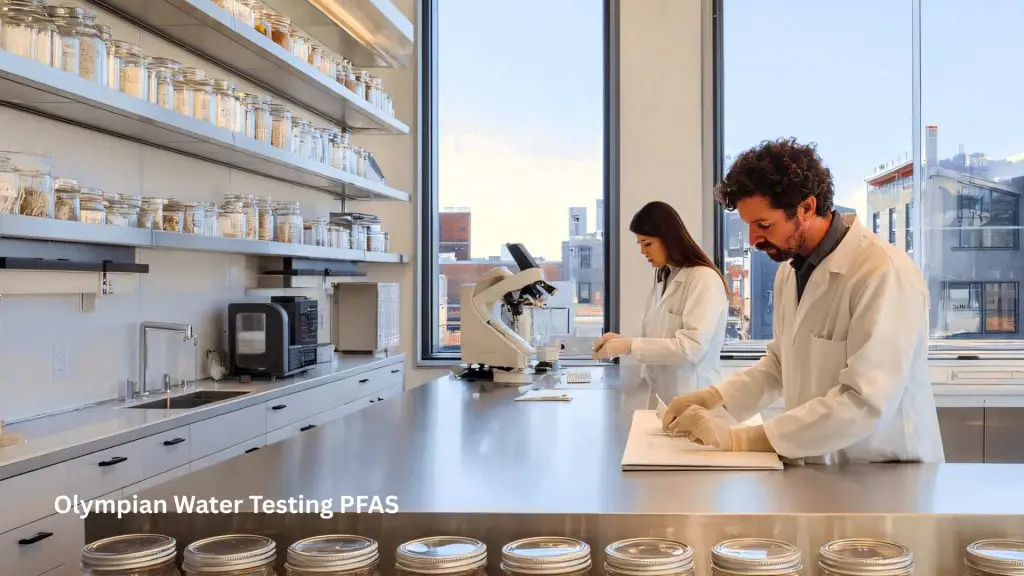
EPA Method 537.1
EPA Method 537.1 is the most widely used testing protocol for PFAS analysis in drinking water. This method detects 18 specific PFAS compounds, including the most common contaminants PFOA and PFOS. Using solid phase extraction and liquid chromatography-tandem mass spectrometry (LC-MS/MS), Method 537.1 provides reliable quantification at parts per trillion (ppt) levels. It’s considered the standard approach for routine monitoring and compliance testing, offering a balance between comprehensiveness and cost-effectiveness for most residential and municipal applications.
EPA Method 533
EPA Method 533 expands detection capabilities to 25 PFAS compounds, including several shorter-chain PFAS that have replaced legacy chemicals like PFOA and PFOS in manufacturing. This method uses similar LC-MS/MS technology but with enhanced sensitivity and broader compound coverage. Method 533 is particularly valuable for identifying emerging PFAS contaminants that Method 537.1 might miss, providing more comprehensive water quality assessment as industries shift to alternative fluorinated chemicals.
EPA Method 1633
EPA Method 1633 represents the most comprehensive PFAS testing available, analyzing 40 different PFAS compounds across multiple chemical classes. This draft method covers a wider range of chain lengths and functional groups, detecting both legacy and emerging PFAS variants. Method 1633 is ideal for detailed contamination investigations, source identification, and research applications. While more expensive and time-consuming than other methods, it provides the most complete picture of total PFAS exposure and helps identify previously unknown contamination sources in complex environmental situations.
Certified PFAS Testing
Certified PFAS testing ensures accurate, reliable results through laboratories that meet rigorous quality standards and follow EPA-approved methodologies. When testing your drinking water for PFAS contamination, choosing a certified laboratory is essential for obtaining legally defensible results that can guide health decisions, support remediation efforts, and potentially be used in regulatory or legal proceedings.
Certified laboratories must achieve accreditation through state environmental agencies or national programs like the National Environmental Laboratory Accreditation Program (NELAP). These certifications verify that labs maintain proper equipment calibration, follow standardized testing protocols, employ qualified personnel, and participate in proficiency testing programs. Certified labs undergo regular audits and must demonstrate consistent accuracy in detecting PFAS at parts per trillion levels, ensuring your results are scientifically valid and trustworthy.
Using certified laboratories guarantees that testing follows EPA-approved methods like 537.1, 533, or 1633, providing standardized results comparable across different testing events and locations. Non-certified labs may use unvalidated methods, improper sample handling, or inadequate quality controls, leading to inaccurate measurements that either underestimate contamination risks or create unnecessary alarm. Certified results are recognized by health departments, water utilities, and regulatory agencies, making them essential if you need to report contamination or pursue remediation assistance.
Verify laboratory certification through your state’s environmental or health department website, which maintains lists of approved facilities for PFAS analysis. Ensure the lab is certified specifically for PFAS testing using the EPA method you require, as general water quality certification doesn’t automatically include PFAS capabilities. Consider turnaround time, detection limits, and cost when selecting a provider, but never compromise on certification status for convenience or savings.
Certified PFAS testing provides peace of mind that your water quality assessment is accurate, defensible, and actionable, enabling informed decisions about protecting your family’s health from these persistent contaminants.