
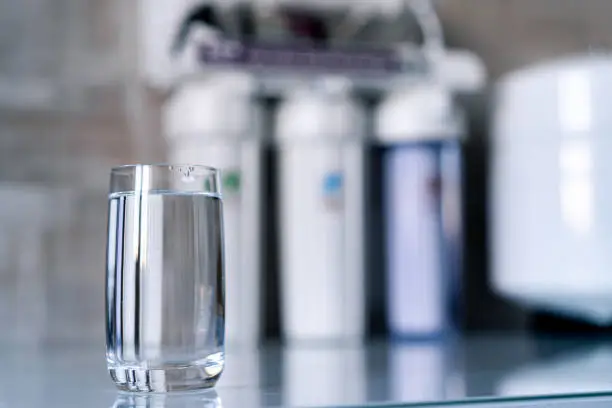
When homeowners discover PFAS contamination in their drinking water, questions about filtration solutions quickly follow. PFAS water testing in Manhattan helps identify whether your home has unsafe levels of these harmful chemicals, which is the critical first step before deciding on a filtration strategy. Can a home water filter remove PFAS? Is a pitcher filter sufficient? Does reverse osmosis actually work? Should you invest in whole-house filtration? And most importantly, how can you verify that whatever filter you choose is truly effective at reducing PFAS to safe levels?
The answer is that some filters can reduce certain PFAS, but not every filter is designed for PFAS. A filter that improves taste, reduces chlorine odor, or catches sediment does not automatically reduce forever chemicals. PFAS filtration depends on the treatment technology, product certification, water conditions, installation, maintenance, and how often cartridges are replaced.
For homeowners, private well owners, businesses, and property managers, the smartest step is to test first, choose the right filter based on results, and test again if PFAS reduction is the goal.
PFAS Filtration Starts with Testing
Before choosing a PFAS filter, it helps to know whether PFAS are present in the water and which compounds are detected. PFAS is not one chemical. It is a large group of chemicals, and different filters may perform differently depending on the specific compounds and water conditions.
A homeowner who buys a filter without testing may spend money on a system they do not need. Another homeowner may buy a basic filter that improves taste but does not address the PFAS concern. Testing helps avoid both problems.
Professional PFAS water testing gives property owners a clearer starting point. It shows whether PFAS are detected and helps guide the next decision.
Not Every Water Filter Removes PFAS
Many filters are marketed with broad words like “clean,” “pure,” “fresh,” or “advanced.” These words can be misleading if the product is not certified for the specific contaminant you care about.
A basic carbon filter may improve chlorine taste and odor. A sediment filter may reduce particles. A softener may reduce hardness minerals. But those benefits do not automatically mean PFAS reduction.
If PFAS is the concern, look for filters tested and certified by an accredited third-party organization for PFAS reduction. The U.S. Environmental Protection Agency explains how consumers can identify drinking water filters certified to reduce PFAS.
Certification matters because PFAS reduction should be based on tested performance, not advertising language.
Activated Carbon Filters
Activated carbon is one of the most common treatment technologies used for PFAS reduction. It works by adsorbing certain contaminants onto the carbon surface. Activated carbon can be found in pitcher filters, faucet filters, refrigerator filters, under-sink systems, and larger treatment units.
However, performance varies. The type of carbon, contact time, filter size, water flow rate, PFAS compound, and cartridge age can all affect results. A small filter may not perform the same way as a larger, properly designed system.
Activated carbon may reduce some PFAS better than others. This is why product certification and follow-up testing matter.
If PFAS results are significant, homeowners should not assume any carbon filter is enough. They should choose a system designed and certified for PFAS reduction.
Reverse Osmosis Systems
Reverse osmosis, often called RO, is another technology that may reduce certain PFAS. RO systems use a membrane to remove many dissolved substances from water. They are often installed under the sink for drinking and cooking water.
Reverse osmosis can be a strong option for homeowners who want point-of-use treatment at the kitchen tap. It may also reduce other contaminants, depending on the system.
However, RO systems require space, maintenance, filter changes, and proper installation. They may produce wastewater and may reduce minerals from water. They are also usually more expensive than basic filters.
Testing helps determine whether reverse osmosis is necessary or whether another certified treatment option may be enough.
For more information about testing and treatment planning, visit the testing methods page.
Ion Exchange Treatment
Ion exchange is another treatment approach that may reduce certain PFAS. It uses resin materials that attract and hold specific charged substances. Some systems are designed for PFAS reduction.
Ion exchange may be used in certain home, commercial, or larger water treatment applications. Like other technologies, performance depends on the system design, water chemistry, maintenance, and the PFAS compounds present.
For homeowners, ion exchange may not be the first filter they see at a local store, but it can be part of a professional treatment discussion when PFAS are detected.
The right treatment should match the test result and the property’s water use.
Point-of-Use vs. Whole-House Filtration
A point-of-use filter treats water at one location, such as the kitchen sink. This is often the most practical choice for drinking and cooking water. A whole-house system treats water entering the entire property.
For PFAS, many homeowners start with point-of-use treatment because drinking and cooking water are the main exposure pathways they want to reduce. Whole-house treatment may be considered in some cases, especially for private wells or properties with broader concerns.
Whole-house systems are usually more expensive and require more maintenance. They may also need careful design to perform well.
Testing helps decide whether point-of-use treatment is enough or whether a larger system should be considered.
Pitcher Filters May Have Limits
Pitcher filters are affordable and easy to use, which makes them attractive. Some pitcher filters are certified to reduce certain PFAS, while others are not.
The key is to check certification details. Do not assume a pitcher removes PFAS because it says it improves water quality. Look for the exact PFAS-related claims and third-party certification.
Pitchers also have small cartridges that need replacement. If the cartridge is old, heavily used, or past its rated capacity, performance may drop.
A pitcher can be useful for some households, but it should not be chosen blindly when PFAS is the concern.
Refrigerator Filters Are Not Always Enough
Many households drink from refrigerator dispensers. Refrigerator filters can improve taste and may reduce some contaminants depending on the model. However, not all refrigerator filters are certified for PFAS reduction.
If you rely on refrigerator water, check the filter certification and replacement schedule. If PFAS are detected in your water, test both the unfiltered tap and the refrigerator-filtered water to see whether the filter is reducing the compounds found.
Do not assume the refrigerator filter is enough just because the water tastes better. PFAS usually do not have taste or odor, so taste improvement does not prove PFAS reduction.
Filter Maintenance Is Critical
Even a good filter can fail if it is not maintained. Cartridges become exhausted over time. Flow rate, water use, PFAS levels, and other water chemistry factors can affect how long a filter performs well.
Follow the manufacturer’s replacement schedule. If your household uses a lot of water, you may need to replace cartridges more often. Mark replacement dates on a calendar or set reminders.
If a filter is used beyond its rated life, it may not reduce contaminants effectively. In some cases, old filters can also create taste, odor, or flow problems.
PFAS filtration is not a one-time purchase. It is an ongoing maintenance routine.
Testing After Filtration Matters
If PFAS reduction is the goal, testing after installing a filter is one of the best ways to confirm performance. A before-and-after comparison can show whether the system is reducing the PFAS compounds detected in the original sample.
This is especially important for private wells, high-use households, businesses, and properties where results may guide long-term decisions.
Testing after filtration can also identify installation mistakes, expired cartridges, or systems that are not performing as expected.
For property owners, this creates confidence based on data rather than assumptions.
Businesses Need Filter Verification Too
Businesses may use water for coffee, tea, ice, food preparation, customer drinking water, wellness services, or employee use. If PFAS is a concern, business owners should not rely only on filter marketing.
Testing can help identify whether PFAS are present before filtration and whether the business’s filter system is reducing them afterward.
For cafes, offices, childcare spaces, wellness centers, and other facilities, water quality can affect customer trust and daily operations. Records of testing and filter maintenance can also support better internal documentation.
For service area details, visit the locations page.
Private Well Owners Should Be Extra Careful
Private well owners are usually responsible for their own water testing and treatment. If PFAS are detected in a private well, treatment decisions should be made carefully.
A certified point-of-use filter may be helpful for drinking and cooking water. In other cases, whole-house treatment may be considered. The right choice depends on the levels found, the household’s water use, the well system, and professional guidance.
Private well owners should also consider retesting after installing treatment and periodically after that. Water quality can change, and treatment systems require maintenance.
For PFAS concerns, guessing is not enough. Testing and verification are important.
Bottled Water Is Not Always a Long-Term Plan
Some homeowners switch to bottled water after learning about PFAS. This may be a temporary option in some situations, especially while waiting for test results or treatment installation. But bottled water can be expensive, inconvenient, and create plastic waste.
Bottled water quality can also vary. Homeowners should not assume all bottled water is automatically free of PFAS unless the supplier provides testing information.
A properly selected and maintained filter can be a more practical long-term option for many households.
However, treatment choices should be based on reliable water test results.
Read the Fine Print on Filter Claims
Filter labels can be confusing. A product may say it reduces “PFAS,” “PFOA/PFOS,” or “forever chemicals,” but the details matter. Which compounds were tested? What standard was used? How much water can the cartridge treat before replacement? What flow rate is required? Is the certification from an accredited third party?
A real certification is stronger than a vague marketing claim.
If the label does not clearly state PFAS reduction and certification, contact the manufacturer or choose another product.
Homeowners should never rely on bold packaging alone when making PFAS treatment decisions.
Do Not Forget Other Water Concerns
PFAS may be a major concern, but it is not always the only water issue. A property may also have lead, copper, hardness, bacteria, iron, manganese, pH, chlorine taste, or other concerns.
A PFAS filter may not solve all water quality problems. For example, a PFAS-certified point-of-use filter may not treat whole-house hardness. A softener may not remove PFAS. A sediment filter may not reduce dissolved chemicals.
Testing helps identify the full picture so treatment can be selected correctly.
The health risks page can help homeowners understand why PFAS deserves attention, while full water testing can address broader concerns.
A Practical PFAS Filter Plan
A smart PFAS filter plan can follow these steps:
Test unfiltered water for PFAS.
Review which PFAS compounds are detected.
Compare results with current guidance.
Choose a filter certified for PFAS reduction.
Install the system correctly.
Replace cartridges on schedule.
Test filtered water to verify performance.
Keep records of results and maintenance.
This approach is simple, but it is much stronger than buying a filter based only on fear or advertising.
Final Thoughts
Some home water filters can reduce PFAS, but not all filters are designed for that purpose. Activated carbon, reverse osmosis, and ion exchange systems may reduce certain PFAS when properly selected, installed, certified, and maintained. But performance varies, and certification matters.
Testing should come before filtration whenever possible. A water test shows whether PFAS are present and helps guide treatment choices. Testing after filtration helps confirm that the system is working.
PFAS cannot usually be seen, smelled, or tasted in water. That means filter decisions should be based on reliable testing and verified performance, not appearance or taste alone.
To learn more about PFAS testing and filter decisions, visit Olympian Water Testing PFAS or contact the team through the contact page to ask about testing options for your home, well, business, or property.